Natural.
Breathable.
Gentle.
Bernat cotton yarn has long been the go-to for projects that call for a natural fiber. It’s cool against the skin, holds its shape through washing, and takes color the way few other fibers can.
Shop Bestsellers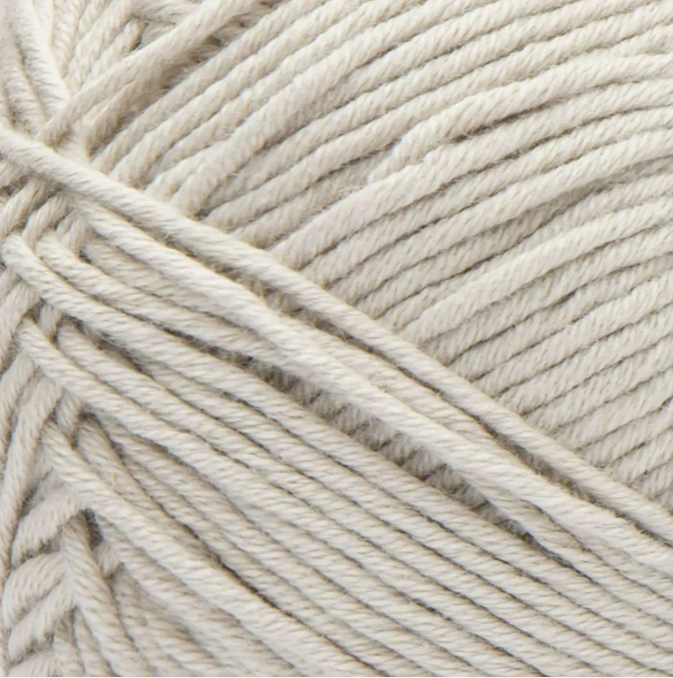
Why Crafters Reach for Cotton
Cotton yarn is spun from the fibers of the cotton plant, making it one of the most widely used natural fibers in textile crafts. It doesn’t stretch the way wool does, which makes it a reliable choice for anything where you need the finished piece to hold its dimensions — dishcloths, bags, baby items, and summer garments.
Bernat’s cotton lines — particularly Softee Baby Cotton and Handicrafter Cotton — are milled to stay smooth and consistent from one end of the skein to the other. The Softee Baby Cotton is blended with a small amount of nylon for added durability, while Handicrafter Cotton is a workhorse 100% cotton that crafters have been reaching for for years.
Cotton breathes, it washes clean, and it doesn’t shed. For projects handed to babies, used in the kitchen, or worn close to sensitive skin, those aren’t small things.
Browse the Collection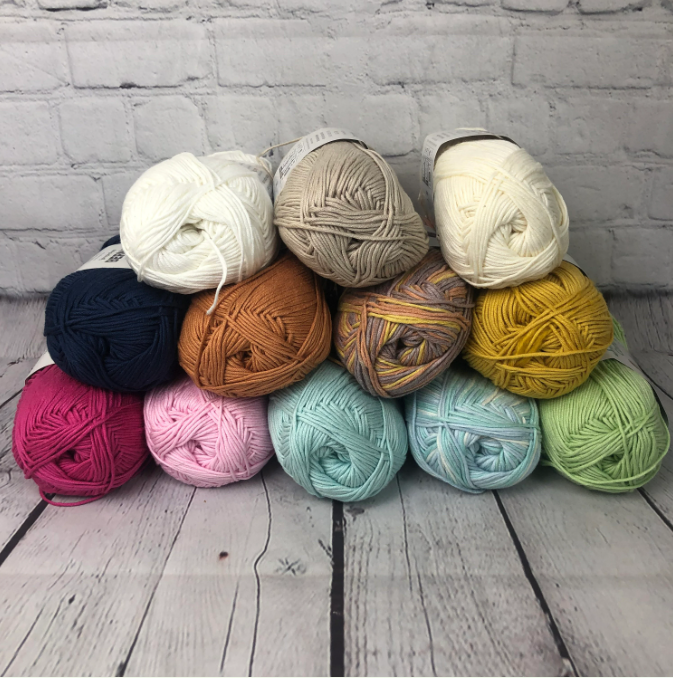
What Cotton Does Best
Cotton has earned its place in craft rooms for practical reasons. Here’s where it consistently outperforms other fiber options.
Breathable Fiber
Cotton doesn’t trap heat the way synthetic fibers can. For summer wearables, baby clothes, and anything worn against the skin in warm weather, that airflow makes a real difference in comfort.
Skin-Friendly
Cotton is one of the most tolerated fibers for people with sensitivities. No lanolin, no synthetic coatings — it’s a straightforward natural material that rarely irritates even the most reactive skin.
Holds Its Shape
Because cotton has very low elasticity, finished pieces stay true to their dimensions. Stitch patterns show clearly, edges stay crisp, and the fabric doesn’t grow or distort with wear.
Kitchen-Safe
Cotton absorbs moisture well and can handle the friction of everyday use, which is why it’s the standard choice for dishcloths, pot holders, and kitchen accessories that get real use and regular washing.
Takes Dye Cleanly
Cotton fibers absorb dye in a way that produces clear, true colors. Bernat’s cotton colorways are saturated without being garish — they look as good on the finished piece as they do on the skein.
Machine Washable
Both Softee Baby Cotton and Handicrafter Cotton are machine washable. Cotton can handle routine laundering without losing its texture or fading — an important quality for anything that gets frequent use.
Bernat Cotton Yarn
Two cotton lines, six colorways. Softee Baby Cotton brings a softer hand for baby projects and delicate garments. Handicrafter Cotton is the all-purpose option — dependable, sturdy, and available in a wide range of colors for everything from kitchen staples to market bags.
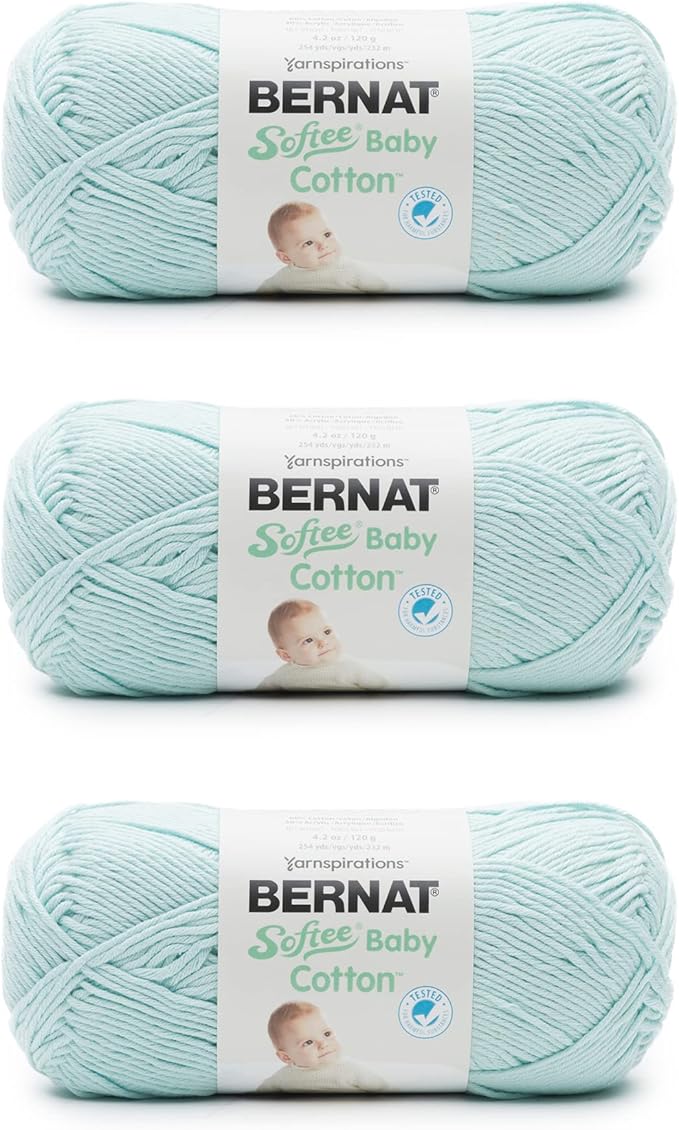
Bernat Softee Baby Cotton — Aqua
A clean, medium aqua that sits right between blue and green without leaning too far in either direction. Works well for baby items, small summer accessories, and projects where a calm, cool tone is the goal.
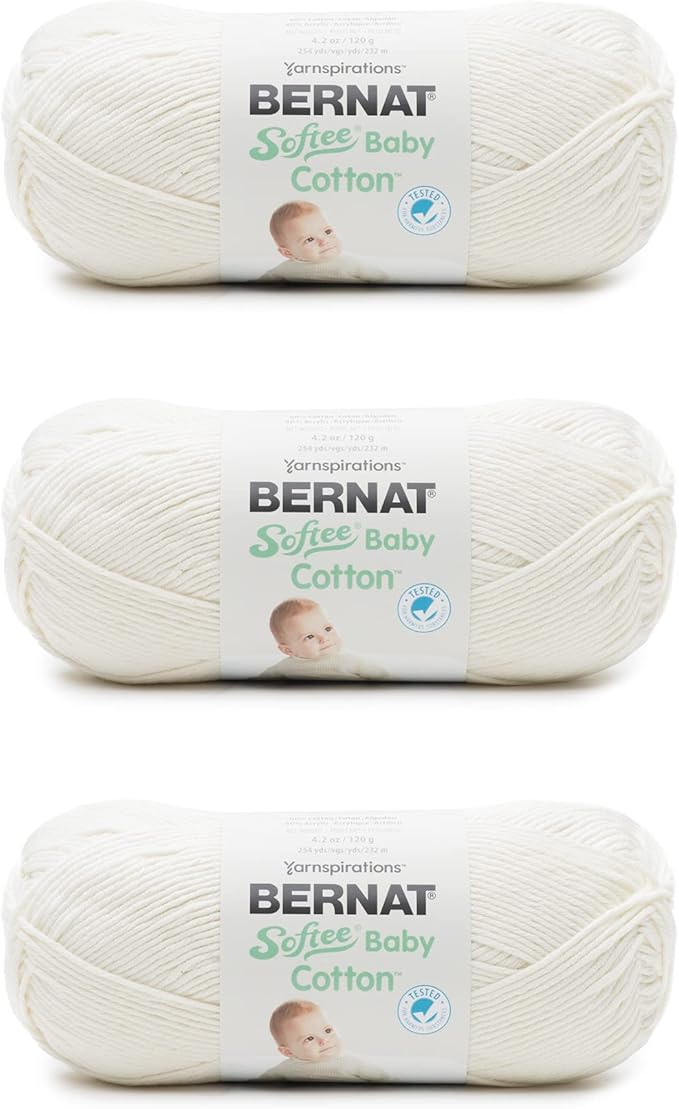
Bernat Softee Baby Cotton — Natural
An off-white with a slight warm undertone — not bright white, not cream. The kind of neutral that pairs with almost every other color in the lineup and reads as clean without being stark.
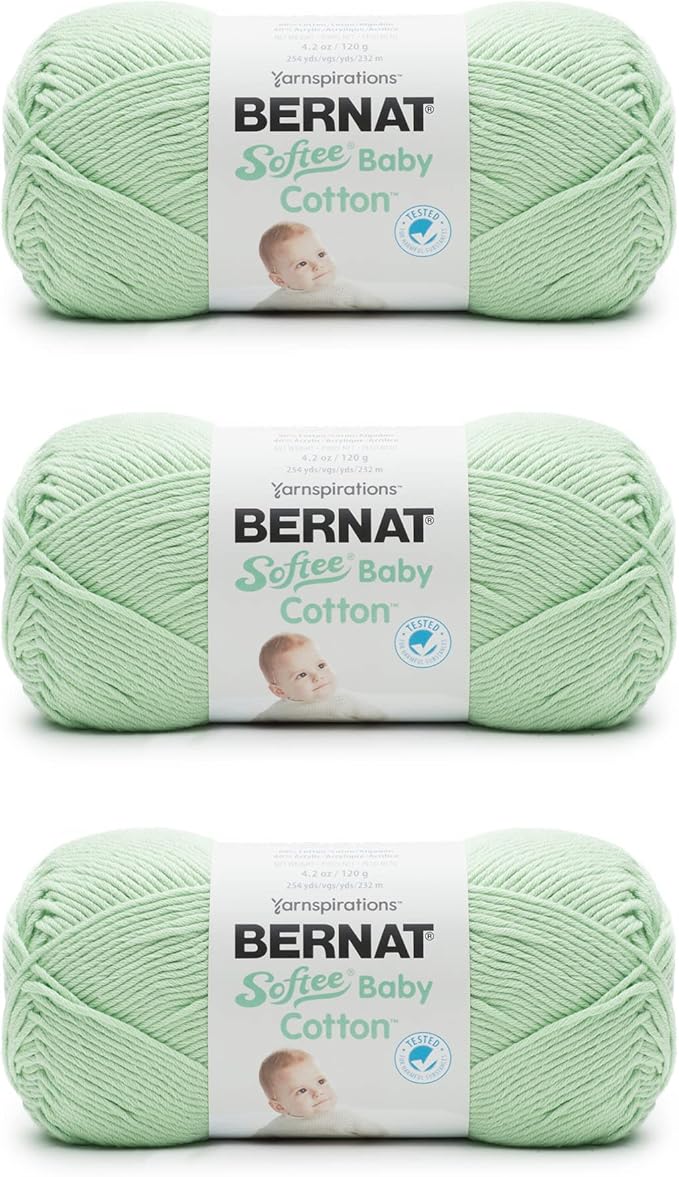
Bernat Softee Baby Cotton — Frost
A pale, cool-toned white with a hint of gray. Frost reads as crisp and minimal — a good choice for garments and accessories where you want a clean look without the starkness of bright white.
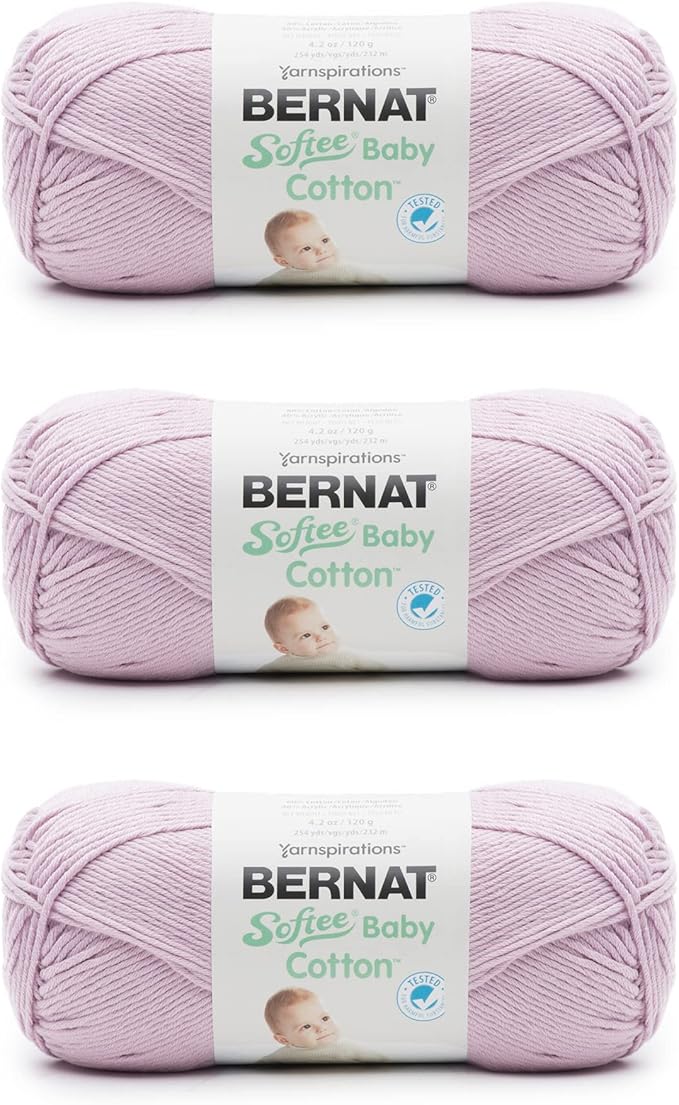
Bernat Softee Baby Cotton — Soft
A gentle, muted tone that sits quietly in a project without competing with other colors. A useful shade for combination pieces — stripes, colorblocking, or anything where you need a background that stays in its place.
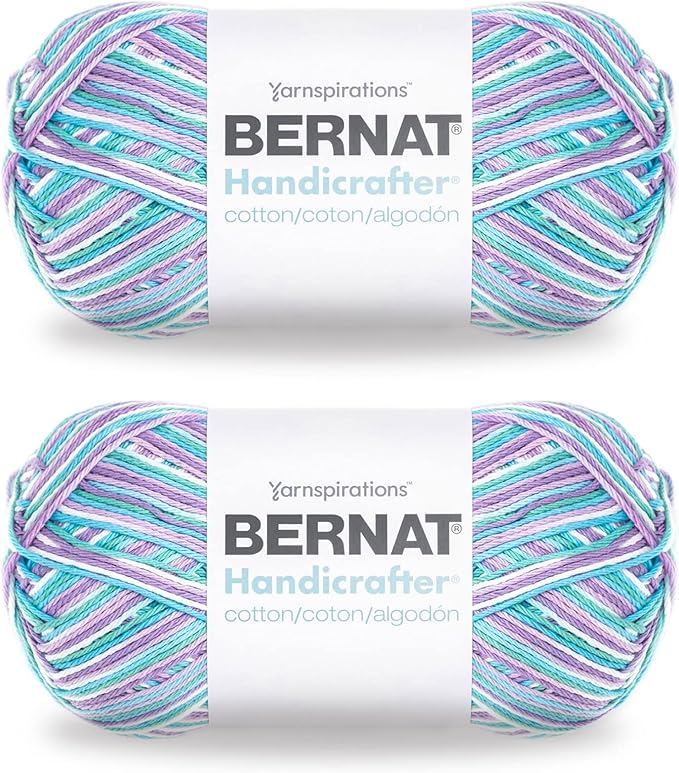
Bernat Handicrafter Cotton — Beach
A warm sandy neutral that fits naturally into any palette. Handicrafter Cotton works up solidly in worsted weight — the right choice for dishcloths, bags, coasters, and home projects that need to hold up to regular use.
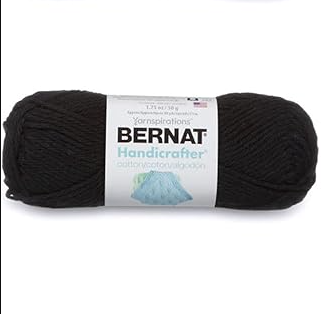
Bernat Handicrafter Cotton — Black Licorice
A true, deep black that holds its tone after repeated washing without fading to a murky gray. Useful as a standalone color for modern home accessories or as a strong contrast shade in any multicolor project.
How to Wash Cotton Yarn Projects
Cotton is low-maintenance compared to wool, but it does have a few quirks worth knowing. The main thing to keep in mind is shrinkage — cotton can shrink in hot water or a hot dryer, especially the first time it’s washed.
- Machine wash on a gentle cycle with cold or lukewarm water. Cold water is the safer choice for finished pieces where you need the dimensions to stay consistent.
- Tumble dry on low, or lay flat to dry. Cotton can shrink with high heat — if a garment or blanket needs to hold its measurements, air drying flat is the most reliable method.
- A mild, dye-free detergent keeps cotton looking its best over time. Bleach and harsh chemicals can break down the fiber and strip color, especially from darker shades.
- If a finished piece needs reshaping after washing, ease it into shape while it’s still damp and let it dry flat. Cotton responds well to wet blocking — it relaxes into the shape you set and holds it once dry.
- Cotton can be ironed on a medium heat setting, which makes it easier to manage wrinkles in garments or items that need a neat finish. Use a damp cloth or steam setting for best results.
Storage & Long-Term Care
Common Questions About Cotton Yarn
What’s the difference between Bernat Softee Baby Cotton and Handicrafter Cotton?
Weight and composition are the main differences. Softee Baby Cotton is a DK weight (light 3) yarn with a cotton-nylon blend — the nylon adds a bit of durability and softness that makes it well-suited for baby garments and smaller accessories. Handicrafter Cotton is a worsted weight (4) yarn and 100% cotton, making it the right choice for dishcloths, bags, pot holders, and home projects where you want a heavier fabric and more structure.
Is Bernat Softee Baby Cotton safe for newborns?
Yes. The cotton-nylon blend in Softee Baby Cotton is free from the lanolin and animal proteins that cause reactions in people with wool sensitivities. The fiber is smooth against skin, and cotton’s natural breathability makes it a comfortable choice for items worn close to a baby’s body. For children with very reactive skin, it’s always worth making a small swatch and checking before completing a full garment.
Will cotton yarn shrink in the wash?
It can, particularly with hot water or high dryer heat. For finished pieces where dimensions matter — a garment, a fitted dishcloth, a blanket with specific measurements — wash in cold water on a gentle cycle and dry on low or flat. If you pre-wash your yarn before starting a project, you can largely avoid the issue since any shrinkage happens before the piece is made.
How many skeins do I need for a dishcloth with Handicrafter Cotton?
A standard square dishcloth — around 8 to 9 inches — typically uses about half a skein of worsted weight cotton, depending on stitch pattern and gauge. A ball of Handicrafter Cotton in the standard size usually gives you enough for two dishcloths with a bit left over. Always check the pattern’s stated yardage before purchasing.
Can cotton yarn be used for summer garments?
Cotton is one of the best fiber options for warm-weather knitting and crocheting. It breathes, it doesn’t hold heat against the skin, and it’s comfortable in humid conditions where synthetic fibers can feel clammy. Tanks, tees, lightweight cardigans, and sun hats are all good candidates for cotton yarn. Keep in mind that cotton has less drape than linen or bamboo, so the fabric will feel a bit more structured in the finished piece.